
On Flexibility
Or, what oat milk in coffee taught me about letting go

A few years ago, I met someone who would probably be called a psychic. I have historically distrusted claims of special ‘powers’ of sight, yet she proved uncannily accurate, including her comments about the chronic pain in my neck. She linked it to resentment, called me stiff-necked and inflexible, and advised me to let go. To relax. To be more flexible.
Outside of the odd bit of stretching before I played a game of tennis or went for a run, I never thought much about flexibility. And I certainly didn’t think of it as a ‘way of being’ to be intentionally cultivated. Sure, I had heard certain people described as ‘flexible,’ but in my mind, that was an intrinsic state—some people were predisposed to be flexible while others, like me, were inflexible. It was certainly not something to be pursued or even opposed.
Despite this woman’s surprising insights in multiple areas of my life, I forgot her words within days. But recently, I found myself thinking about them again; specifically, her counsel to be more flexible. And as these things often do, the trigger arose from the most mundane of places: my daily coffee routine.
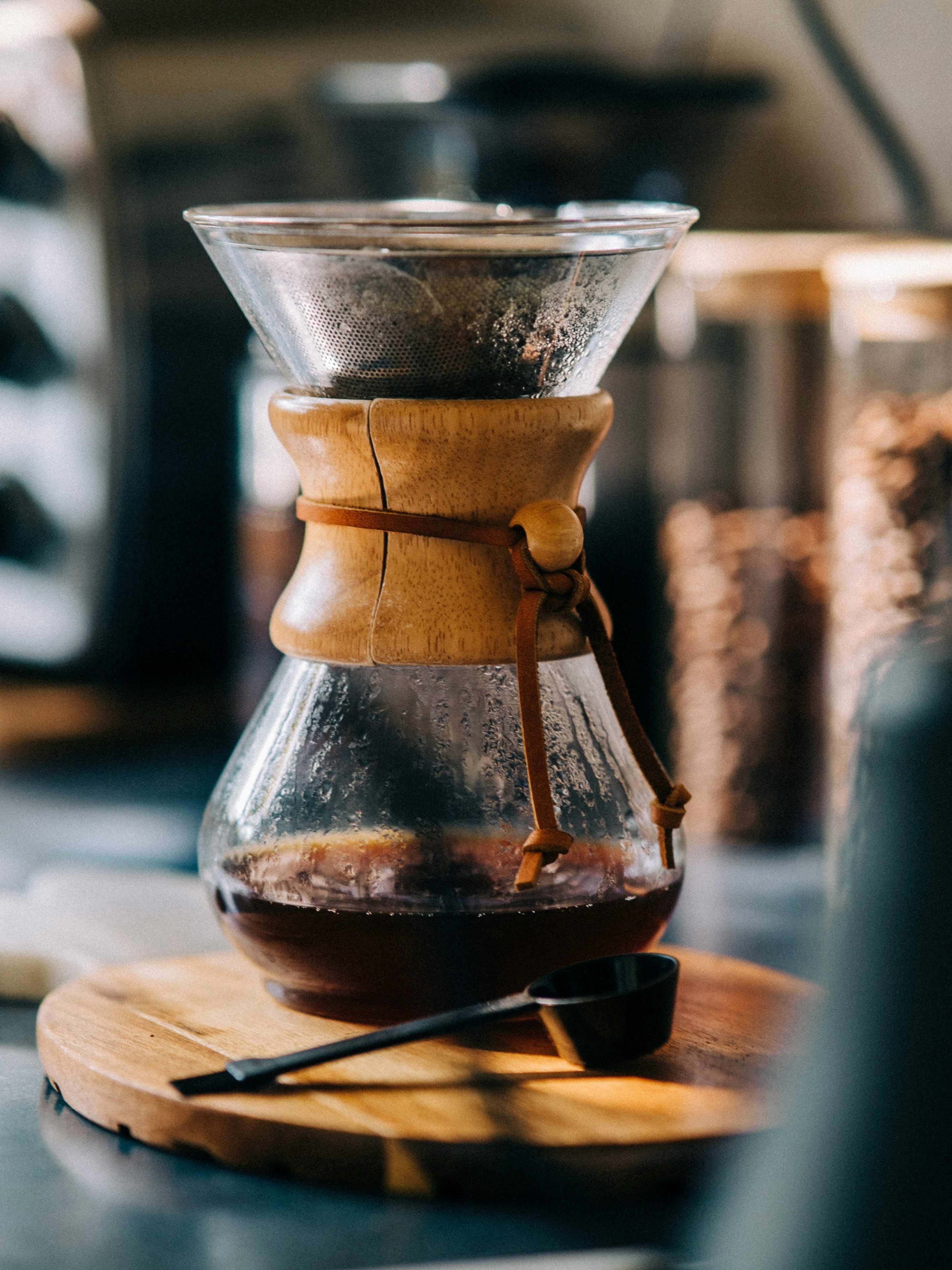
Routine is the operative word. I was a purist, not a capsule-popping, machine-loving, drown-it-in-milk-and-sugar type. My coffee was a ritual: organic beans, hand-ground; a cloth filter; a hand-blown carafe; filtered water heated to exactly 96 degrees; a three-minute pour-over—the aroma filling the entire kitchen. Most mornings, it was the ritual—not the caffeine—that pulled me out of bed.
But the strangest thing happened about six weeks ago. The ritual stayed the same, yet suddenly, after thirty years, the coffee tasted bitter—flat and metallic, like it was burnt. I could barely stomach it. I tried to problem-solve. I adjusted ratios, the water temperature, and the beans. But nothing worked. Literally overnight, my daily ritual was completely upended.
I did some research and discovered that this spontaneous aversion was not unusual. It had something to do with taste buds evolving with age, and years of drinking too much coffee. Apparently, there was nothing I could do. A physiological shift that couldn’t be reversed or mitigated.
Calling it an ‘existential’ problem might seem extreme, but that is how it felt. It was not just the caffeine I needed and loved. It was the entire process and how it grounded me: using my special mug, sitting in my favorite chair, and letting my mind wander first thing in the morning. It was a meditation. An essential start to the day. Coffee had been my constant companion for most of my life, or at least the ritual was, and now it was gone.
I mourned. I sulked. I complained. Eventually, I bit the bullet and committed what to me was the eighth deadly sin: I added a splash of oat milk. And the result? I loved it. I had to slow myself down so as not to drink it too quickly. I thought to myself—how could I have been so blind for so long? My inflexibility and preconceived biases had prevented me from seeing an alternative that was even more enjoyable.
I began to notice other small but meaningful examples in adjacent areas of life—examples where my inflexibility was causing unnecessary tension. And I made adjustments. For example, where I used to pile obligation after obligation, I began to introduce intentional gaps in my daily schedule. I took different routes on my daily commute. I adjusted my exercise routine. They were small, unremarkable, almost imperceptible shifts, but the result was interesting.
I have now come to approach my routines, habits, and rituals the way painters such as Mark Rothko, Jackson Pollock, or Pablo Picasso evolved over time. They knew the rules. They were experts in form and craft. But when they allowed themselves to be less rigid, to paint outside the lines, something new began to emerge. They did not abandon their craft altogether; they simply loosened their grip on a certain style once it no longer served.
When that woman first suggested that I should be more flexible, I resisted—mainly because I assumed such a shift would require a big change. Maybe it was just an excuse. Or laziness. Or inflexibility. Whatever the reason, it was my loss.
Years later, the neck pain is still there, and at times I still feel the weight of the world on my shoulders. But I am more flexible. I smile more, sleep better, and am calmer—more at ease. I am not quite ready to let go completely and ‘go with the flow,’ but I am far more open to it than I was. All it required was more awareness: noticing which way the wind was blowing and adjusting my sail, even slightly.
I got my mornings back with one small act of flexibility: oat milk in coffee. Who knew?